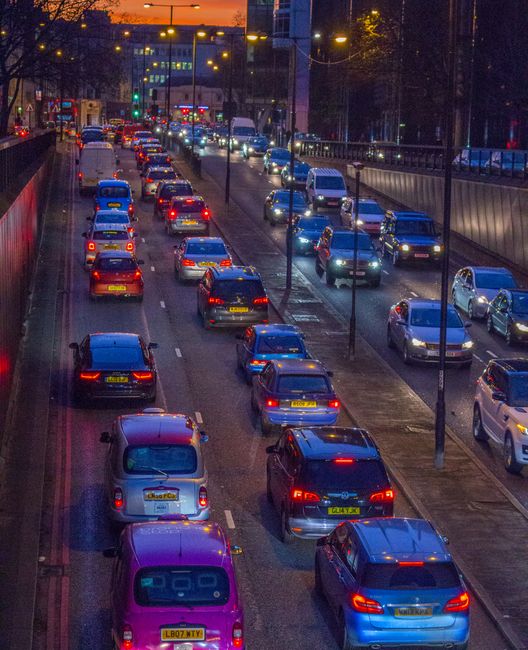
Edgware removals timing tips to avoid congestion at Edgware Tube
If you are planning a move around Edgware, timing is not just a nice-to-have. It can make the difference between a calm handover and a very long, very stressful wait in traffic near the Tube. These Edgware removals timing tips to avoid congestion at Edgware Tube are designed to help you move smarter, reduce delays, and keep your removal day from getting tangled up with commuter rush, school runs, and the usual London stop-start rhythm.
Truth be told, most move-day problems around transport hubs are not caused by the house itself. They happen in the last mile: the stretch of road where a van has to wait, turn, load, unload, or sit behind a line of cars all trying to get somewhere at once. That is exactly why the clock matters. A good plan means fewer queue-ups, less wasted manpower, and a move that feels surprisingly manageable. A bad one? Well, you already know the look of a driver checking the time while the street is barely moving.
In this guide, you will find practical timing advice, local movement patterns to think about, step-by-step planning help, and a realistic checklist for move day. If you are coordinating a household move, a smaller van job, or a business relocation, the goal is the same: avoid the busiest periods around Edgware Tube and make the whole thing smoother.
Expert summary: The safest approach is to move outside peak travel windows, give yourself a buffer before and after school traffic, and confirm access, parking, and loading space the day before. A little planning goes a very long way.
Table of Contents
- Why timing matters near Edgware Tube
- How the timing strategy works
- Benefits of moving at the right time
- Who should use this approach
- Step-by-step planning guide
- Expert timing tips and local best practice
- Common mistakes to avoid
- Tools, resources and useful services
- Rules, compliance and practical standards
- Timing options compared
- Real-world move-day example
- Practical checklist
- Conclusion
- Frequently asked questions
Why Edgware removals timing tips to avoid congestion at Edgware Tube Matters
Edgware Tube sits in an area where transport, local shopping activity, commuter traffic, and everyday London movement all intersect. That creates a simple problem for anyone moving house or relocating a business nearby: the roads can feel busy even when they do not look especially packed. One delivery van parked badly, one school drop-off wave, or one burst of commuter flow can create a bottleneck quickly.
For removals, congestion matters for three very practical reasons. First, it delays the vehicle. Second, it can reduce access to the property if the driver cannot get close enough to load or unload efficiently. Third, it affects cost and stress. If your movers are waiting, they are not moving. If you have booked by the hour, that waiting time may matter. Even if you have a fixed arrangement, a slow start tends to ripple through the day.
There is also the human side. Few things are more draining than watching the clock tick while you stand in the pavement with boxes, keys, and one slightly annoyed kettle. We have all seen days like that. A more thoughtful schedule avoids the worst of the Tube-area build-up and gives everyone breathing room.
Local timing also matters because Edgware has the kind of movement pattern that changes through the day. Early morning can be calmer on some streets, but school traffic may suddenly flare. Mid-morning can be better for loading, while late afternoon often gets sticky again. The trick is not just "avoid rush hour" in a vague sense. It is to plan around the specific windows when vans, commuters, shoppers, and residents all seem to arrive at once.
How Edgware removals timing tips to avoid congestion at Edgware Tube Works
The basic idea is straightforward: align the heaviest parts of your move with the quietest traffic windows. That means you want your van to arrive, load, travel, and unload when the surrounding roads are least likely to be clogged.
In practice, a move has four timing points to manage:
- Arrival time: when the van reaches your property.
- Loading time: when items are carried out and secured.
- Travel time: the route away from Edgware Tube and through nearby roads.
- Unload time: when access at the new property is available and straightforward.
If even one of those stages lands in a poor traffic window, the whole job can slow down. That is why timing should be treated as a chain, not a single appointment time.
A small example: if you book a morning slot and the van arrives just as local commuter flow is easing, you may get a good start. But if loading drags into the school-run period, your departure may be caught in heavier traffic. So the best plan includes a margin, not just a target time.
For households using home moving support or house removalists, the usual sweet spot is often earlier in the day, before the road network has fully warmed up. For smaller jobs, a flexible man and van service can sometimes be timed more precisely around quieter streets and a shorter loading window. The right choice depends on the size of the move, the parking situation, and how much lifting is involved.
One more thing: timing does not just mean the hour of the day. It also includes the day of the week and the time of month. End-of-month moves, Friday departures, and Saturday morning starts can all be busier than people expect. That one catches folks out again and again.
Key Benefits and Practical Advantages
Getting your move timing right around Edgware Tube brings more than convenience. It changes the whole feel of the day.
- Less waiting: A van that does not sit in traffic can get to work sooner.
- Better access: Clearer roads make loading and unloading more efficient.
- Lower stress: Fewer delays mean fewer last-minute phone calls and less scrambling.
- More predictable costs: Time lost in congestion can affect hourly jobs, staffing, and fuel use.
- Safer handling: Less pressure on the crew usually means better lifting, packing, and organisation.
- Smoother neighbour relations: A better-timed arrival reduces blockages, awkward parking, and complaints.
There is another benefit people overlook. A calmer schedule leaves space for the unexpected. Maybe the lift is small, maybe a bed frame needs to be dismantled, maybe the new place is still being cleaned when you arrive. If your day is already running tight, those tiny surprises feel huge. If you have built in time, they are merely annoying. Big difference.
For businesses, timing can be even more valuable. A shop fit-out, office relocation, or stock move needs quiet access and reliable handover. That is where commercial moves and office relocation services become especially useful, because they are usually planned with access windows, staff coordination, and equipment handling in mind.
To be fair, not every move can be perfectly timed. London has a mind of its own. But good timing gives you control over the parts you actually can manage, which is usually enough to avoid most of the pain.
Who This Is For and When It Makes Sense
This approach makes sense for anyone moving in or out of the Edgware area where local traffic could interfere with access near the Tube station. That includes families, landlords, tenants, business owners, students, and anyone doing a one-off transport job with a van or truck.
You will benefit most if any of the following sound familiar:
- Your property is on a road that feeds into busier local routes.
- You need to load near a station, parade, or busy high street.
- You are moving on a Friday, Saturday, or at month-end.
- You have limited parking or need to keep the vehicle close to the entrance.
- You are working to a handover deadline, such as a tenancy changeover.
- You are moving large furniture, awkward appliances, or several rooms of belongings.
People doing smaller, lighter jobs may only need a flexible van slot and one helper. In those cases, a man with van arrangement can be a tidy option. On the other hand, if you have a full family home or a lot of bulky furniture, you will likely need a larger vehicle and a fuller crew. The wrong vehicle size at the wrong time can create a mess quickly. A van that cannot park properly near the property is a nuisance. A truck that arrives too late is worse.
Some customers also use moving day as a chance to clear out old items. If that is you, services such as furniture pick up can help you remove bulky pieces before the main move. That can save time on the day itself, which is always welcome.
Step-by-Step Guidance
Here is a practical way to plan your move around Edgware Tube without overcomplicating things.
1. Pick your target moving window first
Start by choosing the broadest possible timing window. Early morning is often the easiest for access, but not always the easiest for your own household if you have children, pets, or a lot of final packing. Mid-morning can be a good compromise. Late afternoon is usually riskier because traffic tends to build again and everyone starts trying to get somewhere at once.
2. Check the day, not just the hour
Some days are simply better. Midweek often gives you more breathing room than Friday or Saturday. If you can avoid the last day of the month, all the better. There is no magic rule here, just a practical reality: the busiest residential move days tend to stay busy for a reason.
3. Work backwards from loading time
People often plan the van arrival too close to the loading window. In reality, you should work backwards. If you want the van to leave before the afternoon build-up, how long will loading take? Add a buffer. Then add a little more. Moving day is not the time for heroic optimism.
4. Confirm parking and access in advance
Before move day, check where the vehicle will stop, where the crew will enter, and whether any shared spaces might be blocked. If the van has to wait around the corner while you figure out access, you lose the advantage of the timing plan. Even a good removal slot can unravel if the front door, gate, or bay is not ready.
5. Keep fragile or essential items separate
Make sure the items you need first are easy to reach. That includes medication, chargers, documents, tea bags, toilet rolls, and perhaps a change of clothes. Honestly, the tea bags matter more than people admit.
6. Build in a congestion buffer
Leave extra time between collection and delivery. If the route from Edgware Tube is busier than expected, the buffer absorbs it. If the route is clear, you simply arrive early and breathe a little easier.
7. Reconfirm on the day before and the morning of the move
A quick confirmation with your mover can save a lot of confusion. Roadworks, parking restrictions, and access changes can shift quickly in London. A simple check the day before is not overcautious. It is sensible.
If you need a vehicle with capacity for bigger loads, removal truck hire or a properly sized moving truck can give you more efficiency than making several small trips. That can be especially helpful when congestion makes repeated journeys a bad idea.
Expert Tips for Better Results
After enough moves, a few patterns become obvious.
First, avoid emotional timing decisions. It is tempting to choose a start time because it suits your sleep pattern or because the estate agent wants access at a neat round hour. But the road does not care about neatness. Choose the slot that works for the street.
Second, give the crew room to breathe. If movers arrive and have to dodge parked cars, waiting bin lorries, or a line of vans near the station, the whole day becomes more tiring. A slightly earlier arrival can sometimes be better than an ideal-looking but crowded one. Strange, but true.
Third, match the service to the job. A compact flat move may be best handled by a flexible van service. A larger household move may need a more structured team. If you are weighing up options, a service like home moves often suits full-house relocations, while packing and unpacking services can take pressure off the early start and reduce delays on loading day.
Fourth, avoid the obvious choke points. Near any Tube station, the roads closest to the entrance tend to feel the most congested at predictable times. If your property is a short walk from the station, do not assume that distance is trivial. In traffic terms, short can still be sticky.
Fifth, think about where the vehicle will turn. A van that can get in easily but cannot turn out without reversing through a tight flow of traffic becomes a problem. That is especially relevant for larger vehicles and awkward streets.
Sixth, do the boring prep early. Disassemble the bed, label the boxes, separate the essentials, and protect fragile items before the van arrives. The more ready you are when the crew rings the bell, the less likely the day is to drift into the busier traffic period.
Common Mistakes to Avoid
These are the errors that most often turn a decent plan into a stressful one.
- Booking too close to peak traffic: A 9am slot can be much less comfortable than it looks on paper.
- Ignoring school-run patterns: Roads can suddenly clog up even when commuter traffic has eased.
- Underestimating loading time: Two hours sounds generous until the sofa will not fit through the hallway.
- Failing to reserve access space: The van cannot help if another vehicle is sitting where it needs to stop.
- Assuming "near the station" means quick: It often does not. Local congestion has a habit of sneaking up on people.
- Not preparing the next property: If the new place is not ready, the schedule slips and congestion pressure builds.
One very common mistake is overloading the first run with too many last-minute items. You know the feeling: "we'll just grab these as well." Then those extra bits become ten more minutes of sorting, which can be enough to push departure into a busier window. That tiny decision can have outsized consequences. Annoying, yes. Avoidable, absolutely.
Tools, Resources and Recommendations
You do not need a lot of special equipment to improve timing, but a few simple tools help.
- A moving timeline: Write down arrival, loading, departure, and unloading windows.
- A room-by-room label system: Makes loading faster and unpacking less chaotic.
- A simple parking plan: Note where the van can stop and where it should not.
- Protective packing materials: Blankets, tape, wraps, and sturdy boxes reduce rework.
- Phone access to your mover: Essential if traffic, access, or timing changes.
If you want a smoother move overall, it can also help to browse the service pages that match your situation. For example, man and van works well for smaller or faster jobs, while moving truck options are better when volume is the challenge. For office or business moves, commercial moves and office relocation services are worth considering because they support more structured planning.
If you are still gathering information about the company and how it works, about us can help with background, and contact us is the sensible place to ask specific questions before you lock in a slot. You can also review the terms and conditions and privacy policy if you want to understand how your details and booking information are handled.
Law, Compliance, Standards, or Best Practice
For most residential moves, the main practical concerns are access, safety, and keeping within local parking and loading expectations. Exact rules can vary by street and by time, so it is always wise to check before assuming a van can stop anywhere convenient. That is especially true near stations, high streets, and busier residential roads where loading restrictions may apply.
There are a few common best-practice standards worth following even when no formal rule is being enforced on the spot:
- Park legally and safely. A quick load is not worth blocking a junction or causing a hazard.
- Keep access clear. Shared entrances, pavements, and driveways should remain as open as possible.
- Use suitable vehicles. A vehicle that is too large for the road can create more problems than it solves.
- Protect the building. Door frames, stairwells, and floors should be treated carefully.
- Plan lifting properly. Heavy or awkward items should be moved with care and the right equipment.
If you are moving business stock, office equipment, or a larger load, the planning bar rises a bit. That is where a more structured service can help keep timing, access, and responsibility clear from the start. It is not just about speed; it is about doing the job properly.
Options, Methods, or Comparison Table
Different move types need different timing strategies. Here is a simple comparison to help you choose a sensible approach.
| Move type | Best timing approach | Why it works | Main risk if timed badly |
|---|---|---|---|
| Small flat or studio | Early to mid-morning on a quieter weekday | Faster loading, fewer items, easier parking | Traffic delays can still affect a short job disproportionately |
| Family home move | Earlier start with a generous buffer | More time for dismantling, carrying, and re-checking items | Loading can spill into busier traffic periods |
| Office relocation | Out-of-hours or tightly controlled daytime window | Reduces disruption and helps coordinate staff and equipment | Delays may affect opening times or team productivity |
| Furniture-only collection | Mid-morning when local roads have settled | Short job, easier to fit around movement patterns | Parking issues can cause more delay than the collection itself |
| Full vehicle hire | Outside obvious peak periods, with route planning | Vehicle size and access need more space to operate | Large vans suffer more from tight roads and blocked stopping points |
The table is not a rulebook, of course. It is a practical starting point. A good mover will adjust to the street, the load, and the time of year. Winter mornings, for example, can feel slower and darker, while a bright spring Saturday can bring more local activity than you expected.
Case Study or Real-World Example
Imagine a family moving from a flat near Edgware Tube to a house a short drive away. They originally wanted a 10am start because it felt convenient: breakfast done, children ready, and no need to rush. On paper, it sounded fine.
But the loading point was on a road that regularly picked up extra traffic after the early commute had settled and before school-related movement fully faded. That meant the van would likely arrive just as the street became harder to access. Instead, the move was shifted earlier. The crew arrived just after the morning peak had begun to ease, loading started before the road got busier again, and the biggest pieces were out of the flat before lunchtime pressure kicked in.
The result was not dramatic or glamorous. It was simply smoother. Fewer pauses. Less standing around with a mattress in hand. Better use of the crew's time. A calmer family. And because the departure avoided the messiest part of the day, the new home handover felt much less frantic.
That is what good timing does. It does not make moving exciting. Thank goodness. It just removes unnecessary friction.
Practical Checklist
Use this checklist in the final 48 hours before the move:
- Confirm your arrival time and loading window.
- Check the busiest local traffic periods for your chosen day.
- Reconfirm parking and stopping space near both properties.
- Separate essentials, valuables, and documents.
- Finish dismantling large furniture in advance.
- Label boxes clearly by room and priority.
- Keep a clear path from the front door to the vehicle.
- Arrange access for keys, fobs, or building entry where needed.
- Share mobile contact details with the mover.
- Leave a sensible buffer before your next appointment, just in case.
Quick reminder: if the move involves bulky items, awkward hallways, or a tight time slot, a little extra preparation beats a rushed day every time.
Conclusion
Moving near Edgware Tube is all about timing, planning, and staying realistic about local congestion. If you choose your move window carefully, confirm access early, and keep a buffer for the unexpected, you give yourself a far better chance of a calm day. That is especially true when the roads around the station are likely to be busy with commuters, deliveries, and everyday London movement.
The best Edgware removals timing tips to avoid congestion at Edgware Tube are not complicated. Move earlier when you can. Avoid obvious peak windows. Confirm parking. Keep essentials close. And do not leave the last little details to the last minute, because they always take longer than you think. Always.
If you are comparing move types or planning a bigger job, take a look at the services that fit your situation best, from home moves to removal truck hire, and choose the option that gives you the right balance of capacity and flexibility. A well-timed move has a quieter rhythm, and that makes a real difference on the day.
Get a free quote today and see how much you can save.
With the right timing, moving in Edgware does not have to feel like a battle with the traffic. It can feel like a plan that actually works, which is refreshing, honestly.
Frequently Asked Questions
What is the best time of day to move near Edgware Tube?
Early to mid-morning on a quieter weekday is often the safest starting point, because it usually avoids the busiest commuter and school-run overlap. That said, the best slot depends on your street, parking, and the size of the move.
Should I avoid Fridays and Saturdays for an Edgware removal?
If you have flexibility, yes, those days can be busier because more people book end-of-week and weekend moves. Midweek slots are often easier to manage, especially if you need access near the station.
How much extra time should I allow for congestion?
A buffer of at least a little extra time is sensible, especially if your route includes roads near busy local access points. The exact buffer depends on how far you are travelling and how tight your loading schedule is.
Is a man and van service better for moving near the Tube?
For smaller loads, it can be. A flexible van job is often easier to time around traffic and parking constraints. For larger homes or bulkier furniture, a bigger vehicle or fuller removal service may be the better fit.
Can I move at lunchtime to avoid traffic?
Sometimes, but not always. Lunch can be quieter in some places and unexpectedly busy in others. It is usually better to plan around the local movement pattern for your exact road rather than assume lunchtime is automatically calm.
What if my move is delayed by traffic near Edgware Tube?
Tell your mover as soon as possible and adjust the loading sequence if you can. Keep your essentials separate so you are not hunting for chargers or documents while waiting for the van.
Do I need a larger vehicle if I want to finish quickly?
Not always, but a bigger vehicle can reduce the need for multiple trips, which is useful if congestion is a concern. The best vehicle is the one that fits your load, the street access, and the parking reality.
How can I tell if a moving day will be especially busy?
Look at the day of the week, the time of month, and whether your route passes near a commuter-heavy area. End-of-month Fridays and weekend mornings are often more crowded than people expect.
Are packing services worth it for a timed move?
Yes, if time pressure is likely. Professional packing can speed up the loading stage and reduce last-minute scrambles. That can make a meaningful difference when you are trying to avoid a busy traffic window.
What should I do the night before the move?
Finish most packing, label the essentials, clear the hallway, and confirm your pickup time. A calm, organised evening tends to lead to a much smoother start the next morning.
What if parking near the property is limited?
Then parking and timing become even more important. Choose a quieter slot, keep the vehicle contact details handy, and make sure everyone knows exactly where the van is expected to stop.
Can business moves around Edgware Tube be timed the same way as home moves?
Not quite. Business relocations often need more structure, more coordination, and a tighter handover window. The general timing principle is the same, but commercial moves usually benefit from more detailed planning and a service designed for that kind of load.