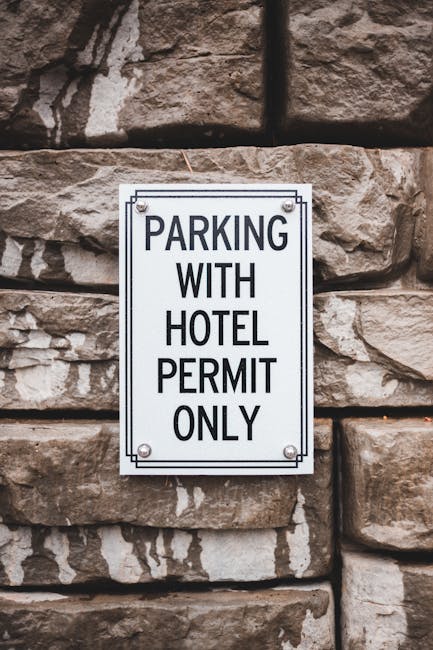
Edgware council parking permits for movers: a simple guide
Moving house or relocating a business in Edgware is already busy enough without discovering, on the morning itself, that the van has nowhere legal to stop. That moment - keys in one hand, kettle still packed, someone asking where the sofa goes - is exactly when parking starts to matter. This guide on Edgware council parking permits for movers keeps things simple: what the permit is, why it matters, how movers usually handle it, and how to avoid the annoying little slip-ups that can turn a tidy move into a stressful one.
If you are planning a home move, a flat move, or a commercial relocation, the basics are the same: check the parking situation early, plan loading access, and make sure the vehicle can park without causing a problem. It sounds obvious. Yet, to be fair, moving days are rarely calm enough for obvious things to stay obvious.
Where you can, it also helps to line up the wider move itself. Services like home moves, man and van support, or even removal truck hire can be easier to coordinate when parking is sorted in advance. That one piece of preparation often saves the most time.
Table of contents
- Why Edgware council parking permits for movers matter
- How parking permits for movers work
- Key benefits and practical advantages
- Who this is for and when it makes sense
- Step-by-step guidance
- Expert tips for better results
- Common mistakes to avoid
- Tools, resources and recommendations
- Law, compliance, standards and best practice
- Options, methods and comparison table
- Case study or real-world example
- Practical checklist
- Conclusion
- Frequently asked questions
Why Edgware council parking permits for movers: a simple guide Matters
Parking is one of those move-day details people underestimate until it becomes the main event. In a place like Edgware, streets can be narrow, bays may be shared, and normal parking restrictions can leave no room for a large van, a lorry, or a few back-and-forth loading stops. If your moving vehicle blocks traffic, sits in the wrong bay, or overstays an allowed window, the result can be delays, complaints, or a penalty that nobody wanted.
That is why parking permits for movers matter. They help you create a legal, practical loading space close to the property. Close access means quicker carrying times, fewer trips up and down stairs, and less chance of damage to furniture or walls. It can also reduce the stress on the people doing the heavy lifting. Anyone who has carried a mattress through drizzle while trying not to scratch a neighbour's car knows exactly what I mean.
The real value is not just legal cover. It is flow. A good parking plan keeps the whole move moving. If you are using a professional team such as house removalists or booking office relocation services, the parking setup becomes part of the job's timing, not an afterthought.
Expert summary: The smoother the parking plan, the faster the move usually feels. A permit does not make a move effortless, but it removes one of the easiest ways for the day to go sideways.
How Edgware council parking permits for movers: a simple guide Works
In plain English, a moving permit or temporary parking arrangement is simply permission to load or unload in a place that would normally be restricted, or to use a marked bay for a limited period. Different councils handle this differently, and the details can vary by street, bay type, and time of day. So it is worth checking the local process well before moving day rather than assuming a van can just pull up and stay there.
Usually, the process starts with three questions:
- Where is the property and what parking restrictions apply there?
- What type of vehicle is arriving - small van, luton van, or larger moving truck?
- How long will loading and unloading realistically take?
Once you know that, you can decide whether you need a permit, a dispensation, a bay suspension, or simply a legal place to stop for a short time. A residential move using a man with van service may only need brief loading access. A bigger relocation, or a move with bulky furniture and multiple drops, may need a more structured plan and a larger vehicle from moving truck hire.
One practical point people miss: the permit is only one part of the job. You still need space for cones if allowed, enough room for tail-lift use if the vehicle has one, and a sensible route from the vehicle to the front door. The permit gets you legal access; the layout still has to work.
Truth be told, moving day is usually not the day you want to discover that the nearest legal bay is two streets away.
Key Benefits and Practical Advantages
There are some very real advantages to sorting parking properly for a move in Edgware.
- Less loading time: A legal parking spot close to the entrance cuts down the distance items need to be carried.
- Lower risk of fines or complaints: A permit or approved arrangement helps avoid unnecessary parking issues.
- Better protection for belongings: Fewer trips and less rushing often means fewer bumps, scrapes, and drop risks.
- Less pressure on the moving crew: The team can focus on moving items safely rather than juggling parking stress.
- More predictable timing: If the van can park where expected, the schedule becomes easier to manage.
There is also a quieter benefit: calmer people. Moving is emotional. Even the most organised person can get frazzled when a parking spot disappears or a neighbour asks a question just as the fridge is being manoeuvred through the doorway. Having the parking arranged in advance gives everyone one less thing to think about.
If you are moving a business, the payoff can be even bigger. Office relocations often involve IT kit, archive boxes, desks, and a lot of people trying to keep working while boxes appear and disappear. A parking plan can be the difference between a tidy handover and a messy half-day of waiting around. For that kind of job, commercial moves and planned loading access really do go hand in hand.
Who This Is For and When It Makes Sense
This guide is useful if you are:
- moving into or out of a house in Edgware
- relocating from a flat with limited street access
- booking a man and van for a same-day move
- moving bulky furniture, appliances, or boxed contents
- handling an office move with multiple vehicles or crews
- collecting or delivering heavy items where loading access matters
It also makes sense if your street has controlled parking, permit-only bays, yellow lines, timed restrictions, or limited loading windows. Even when a move seems small, parking can become the hidden bottleneck. A one-bedroom flat move with awkward access can take longer than a larger house move with a straightforward driveway. Funny, but true.
In our experience, the people who benefit most are the ones who ask the parking question early. If you know you will need help with packing too, it can be worth looking at packing and unpacking services so the loading side and the vehicle access are both planned together. Small move, big difference.
Step-by-Step Guidance
If you want the simplest possible way to approach parking for movers, follow this sequence.
- Check the street rules early. Look at the parking signs near the property and note any time restrictions, permit requirements, or loading limits.
- Estimate the vehicle size. A small van, large van, or removal lorry may all need different access.
- Work out the loading time. Be realistic. A few boxes are one thing; a wardrobe, sofa, mattress, and appliances are another.
- Ask the moving company how they handle parking. Some crews are used to arranging around tight streets. Others will need you to secure the permit or reservation first.
- Confirm the arrival window. The van should turn up when the permit or parking arrangement is valid. That sounds basic, but timing slips happen.
- Keep the documentation handy. If a permit confirmation, reference number, or written approval is needed, make sure it is easy to find on the day.
- Build in a buffer. Parking problems, weather, traffic, and elevator delays can all add time. A bit of slack helps.
If you are using a light, flexible service such as a man and van, you may only need a straightforward loading plan. If you are hiring a bigger vehicle or arranging a more complicated move, it is smarter to treat parking as part of the operations plan, not a side note.
One useful habit: walk the route from the vehicle bay to the front door the day before. You will notice trip hazards, low steps, tight corners, and any awkward gates. A five-minute walk can save half an hour of frustration later.
Expert Tips for Better Results
Here are the little things that often make the biggest difference.
- Measure the access properly. Not just the road width, but also the gate, driveway, and any turning space.
- Think about neighbours and shared access. A polite heads-up can prevent a lot of noise and confusion.
- Plan for both ends of the move. The loading point at the old property and the unloading point at the new one both matter.
- Ask about bay suspensions or dispensations early. If a permit is not enough, you need time to sort the right arrangement.
- Keep fragile items separate. Easier access means less time carrying them, but they still need proper handling.
- Use the right vehicle size. Sometimes one larger vehicle is more efficient than several small ones. Sometimes it is the opposite. Depends on the street.
A slightly overlooked tip: if your move involves dismantled furniture or multiple loose parts, label them clearly before the van arrives. You do not want to be standing in the hallway asking, "Where did the fixings go?" while the driver is trying to reverse safely. Been there, seen that, not pretty.
For more complex transport needs, a dedicated removal truck hire arrangement can be easier to coordinate with parking than a last-minute oversized vehicle. It gives you a more predictable setup, which is what you really want.
Common Mistakes to Avoid
Most parking issues on move day come from a handful of avoidable mistakes.
- Leaving it too late. Parking permissions can take planning. Do not assume you can sort it the night before.
- Guessing the time needed. "It'll only take twenty minutes" is one of the most expensive phrases in moving.
- Using the wrong vehicle. A van that is too large for the street can create more problems than it solves.
- Forgetting the return trip. If the van is leaving and coming back, the arrangement may need to cover both visits.
- Not checking both addresses. The old property and new property may have completely different restrictions.
- Assuming all loading is automatically allowed. Sometimes short loading is permitted, sometimes it is not. Signs matter.
One more common issue is failing to coordinate the parking plan with the rest of the move. If packing runs behind, the van may arrive before everything is ready. That can cause rushed loading, more stress, and less tidy stacking. A move works best when the permit, the packing, and the vehicle all line up together.
Tools, Resources and Recommendations
You do not need fancy equipment, but a few simple tools make the process easier.
- Printed parking notes: Keep the permit details, booking reference, and arrival time in one place.
- Phone photos of signs: Handy if you need to double-check restrictions later.
- Measuring tape: Useful for confirming furniture sizes and access points.
- Labels and markers: Helpful for room-by-room sorting and faster unloading.
- Protective covers: Ideal for rainy days, dusty stairwells, or long carry routes.
If you are still choosing the right kind of moving support, compare the job size to the service style. A smaller flat move may suit man with van support, while a larger family move may be better handled through home moves or a larger vehicle. For commercial relocations, the requirements usually shift again because of office furniture, equipment, and timing pressures.
If you want to understand the company behind the service before booking, you can also look at about us or, if you already know the move details, go straight to contact us. If you are reviewing service terms or data handling, the privacy policy and terms and conditions are there for a reason. A bit dry, yes, but useful.
Law, Compliance, Standards and Best Practice
Parking for movers sits in the space between common sense and local parking rules. The exact permissions, enforcement approach, and wording on signs depend on the street and the council's local arrangements, so the safest approach is to treat every location as its own case. Do not rely on assumptions from a previous move elsewhere in London. Different streets, different restrictions, different results.
Good practice usually means:
- checking the signs on the street, not just a memory of the area
- making sure any loading arrangement matches the vehicle and the time window
- leaving room for pedestrians and emergency access where required
- avoiding unnecessary obstruction of driveways, junctions, or crossings
- keeping any approval evidence available in case it is needed
It is also sensible to distinguish between permission to load and permission to park freely. Those are not the same thing. If you are unsure, ask for clarification before moving day. That is not overcautious; that is just sensible.
For business moves, there may be extra operational considerations around timing, building access, and safety. A straightforward plan for commercial moves should account for parking, lifts, reception access, and staff movement together, because one weak link can hold up the whole chain.
Options, Methods and Comparison Table
There is more than one way to handle parking for a move. The best choice depends on the size of the vehicle, the street layout, and how much time you have.
| Method | Best for | Strengths | Watch-outs |
|---|---|---|---|
| Short loading stop | Small moves with quick loading | Simple, fast, minimal admin | Only works if restrictions allow it |
| Parking permit or dispensation | Controlled streets or timed restrictions | More reliable access, less risk of enforcement issues | Needs planning and timing |
| Bay suspension or reserved space | Moves needing a dedicated loading area | Strong access control, easier for larger vehicles | Usually needs advance arrangement |
| Driveway or private access | Properties with off-street space | Often the easiest option | Still needs enough turning and unloading room |
If you have private access, you are lucky. Honestly, it makes everything less awkward. But many Edgware properties do not have that luxury, which is why the permit question matters so much. A good mover can work around almost anything, but parking problems have a talent for slowing even the best-laid plan.
Case Study or Real-World Example
Picture a typical Saturday move in Edgware. A couple are leaving a first-floor flat with a sofa, bed frame, boxes of kitchenware, and a couple of heavy chest-of-drawers. The street has marked bays and a steady flow of cars. If the van arrives without any parking plan, it may have to stop a little way down the road, which means longer carries, more time on the stairs, and a much more tiring day.
Now compare that to a move where the parking has been checked in advance. The van knows where to stop. The crew knows the loading route. The boxes are stacked in the right order. The fragile bits are loaded first, and the bulky furniture is handled while everyone still has energy. The whole thing feels less like a scramble and more like a process.
That is not glamorous, but it is exactly what people want on move day. Quiet efficiency. No drama. Maybe a cup of tea if the kettle is near the top of the last box.
Practical Checklist
Use this checklist before the movers arrive.
- Confirm the moving date and exact arrival window.
- Check the parking signs outside both properties.
- Decide whether you need a permit, dispensation, or bay suspension.
- Match the vehicle size to the street access.
- Tell the movers about stairs, lifts, gates, and narrow entrances.
- Prepare any permit confirmation or booking reference.
- Pack fragile items separately and label them clearly.
- Clear the route from front door to vehicle as much as possible.
- Warn neighbours if parking space or access may be temporarily affected.
- Keep water, keys, and important documents easy to reach.
A small reminder: the last twenty minutes before the van arrives are usually the least calm. That is normal. Take a breath, check the paperwork, and keep moving. You are closer than it feels.
Conclusion
Edgware council parking permits for movers are not the most exciting part of a move, but they can be one of the most important. Get the parking right and the rest of the day becomes noticeably easier: less carrying, fewer delays, and far less risk of a stressful surprise on the kerbside. Whether you are moving a studio flat, a family home, or a small business, it pays to think about access early and treat parking as part of the move plan, not a side detail.
The good news? Once you know what to check, it is not complicated. A bit of planning, a realistic time estimate, and the right vehicle setup usually go a long way. And when the front door opens and the van is parked exactly where it should be, you will feel that lovely little sense of relief. That is the point.
Get a free quote today and see how much you can save.
Frequently Asked Questions
Do I need a parking permit for movers in Edgware?
Not always, but you should check before moving day. If the street has permit-only parking, loading restrictions, yellow lines, or limited waiting rules, you may need some form of permission or arranged access for the van.
Who usually applies for the moving parking arrangement?
It depends on the service and the property setup. Sometimes the customer handles it, sometimes the moving company helps, and sometimes it is a shared job. The key is to agree who is responsible early.
How far in advance should I sort parking for movers?
As early as possible. A simple move might only need a little notice, but more complex arrangements can take time. If you wait until the last minute, your options may be limited.
Can a man and van stop on double yellow lines while loading?
Sometimes short loading may be permitted in certain places, but that depends on the local restrictions and the exact circumstances. Do not assume it is allowed. Check the signs and the rules for that street.
What if the parking space is too far from my front door?
Then it is worth looking at a different loading strategy, a larger vehicle, or a permit arrangement closer to the property. Long carry distances can add time and increase the risk of damage.
Is a permit needed for a home move and an office move?
Both can need parking planning, yes. Office moves often need more coordination because there may be several people, more equipment, and tighter timing around business hours.
What happens if the movers arrive and there is no space?
They may need to wait, park further away, or adjust the loading plan. That usually means delays and more effort. It is one of those problems that snowballs fast, so it is better to prevent it than deal with it.
Are parking permits the same as loading bays?
No, they are related but not the same. A loading bay is a space designed for loading and unloading. A permit or dispensation is permission to use a space under certain conditions. The exact arrangement depends on the street.
What should I tell my mover before the job?
Tell them the address, the parking situation, the access route, whether there are stairs or lifts, and how much furniture is being moved. If you have a parking confirmation or any special access note, share that too.
Can parking planning reduce the cost of a move?
It can help control costs indirectly. When the van can park close by and loading is efficient, the crew spends less time dealing with access problems. That can make the overall job smoother and sometimes more economical.
What is the best vehicle for tight Edgware streets?
That depends on the exact road and the amount you are moving. In some cases, a smaller van is easier to place and manoeuvre. In others, one larger vehicle is more efficient. The right choice is the one that fits both the street and the load.
Should I check parking at both the old and new address?
Absolutely. Many people focus on the pick-up point and then forget the drop-off side. Both ends matter, and both can create delays if access is difficult.