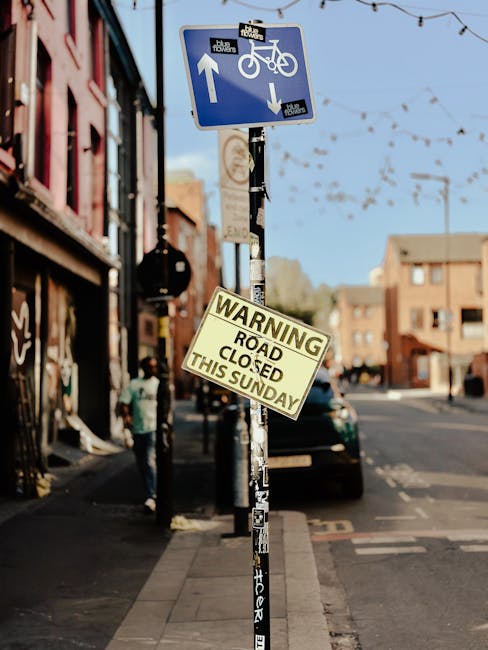
Do you need road closure permission in HA8 for a removal?

If you are planning a move in HA8, the last thing you want is a van stuck outside your door while neighbours, traffic, and parking restrictions all seem to close in at once. So, do you need road closure permission in HA8 for a removal? In most cases, no full road closure is needed for a standard house or office move. But depending on the street, the vehicle size, loading conditions, and how much space the move needs, you may need parking suspension, a temporary traffic management plan, or some form of local permission to use the road safely and legally.
This guide breaks the topic down in plain English. You will learn when road closure permission is actually relevant, what usually happens instead, how to plan a removal without causing disruption, and the practical steps that help avoid awkward delays on moving day. If you are comparing removal options too, it may also help to look at services such as home moves, man and van, or removal truck hire depending on the size of the job.
Quick takeaway: most removals in HA8 do not require a full road closure, but they may need parking access, loading space, or permission for temporary restrictions if the street is tight or busy.
Why Do you need road closure permission in HA8 for a removal? Matters
Road closure permission matters because removals are not just about getting furniture from one property to another. They involve vehicles stopping, doors opening, items being carried out, and people moving between the property and the van. On a quiet cul-de-sac, that may be straightforward. On a narrow HA8 road, or near a junction where cars already park tightly, it can become messy very quickly.
The key point is this: a removal lorry does not always need the entire road closed, but it may need enough space to load safely without blocking access for everyone else. If a truck has to stand across a narrow lane, or if the team needs a protected area for heavy items, local permission or traffic control arrangements may be needed. That is less about bureaucracy for its own sake and more about keeping the move safe, lawful, and calm.
In real life, the problem is often not the move itself. It is the ripple effect. A double-parked van can block buses, annoy neighbours, or create a safety issue for pedestrians, especially where visibility is poor. To be fair, most people only think about this the morning of the move, which is exactly when stress levels are already high. Planning ahead is what keeps a simple move from turning into a street-level drama.
If you are moving a full household, using experienced house removalists or a coordinated moving truck arrangement can make it easier to judge whether street access will be enough or whether extra permission needs to be checked.
How Do you need road closure permission in HA8 for a removal? Works
Road closure permission, in practice, usually means formal approval to restrict or manage traffic on a public road for a specific purpose and time. For removals, that is not the usual first step. The more common arrangement is a parking suspension, a loading bay request, a temporary stopping area, or simply working within existing parking rules.
In HA8, the exact process depends on the street conditions and what the move needs. A moving team may assess:
- whether the road is narrow or one-way
- if the property sits on a main route or a quieter residential street
- whether the removal vehicle can park legally nearby
- if there is enough room to load without causing obstruction
- whether the job involves bulky furniture, stairs, or long carry distances
Sometimes the answer is simple: the van can park safely, and no special permission is needed. Other times, there is a better and safer option, such as arranging a temporary suspension or asking for controlled access in advance. That decision is usually based on operational judgement, not guesswork.
Think of it this way. If you are using a smaller vehicle like a man with van service for a modest flat move, you may only need sensible parking and a bit of patience. If you are using a larger truck for a full-property relocation, the access question becomes more serious. Bigger vehicle, bigger footprint, bigger consequences if it goes wrong.
What usually happens on moving day
On the day itself, the crew normally arrives, checks access, and confirms where the vehicle can safely stand. If the road is clear and parking is workable, the move proceeds. If not, they may have to adapt quickly. That could mean waiting for space, using more labour to carry items from further away, or rescheduling altogether. None of those options is fun when you have boxes stacked by the door and the kettle packed away. Better to sort it beforehand.
Key Benefits and Practical Advantages
Checking whether road closure permission is needed before a removal in HA8 gives you more than legal peace of mind. It makes the whole job smoother.
- Less risk of delays: the crew is not scrambling to find a last-minute workaround.
- Safer loading: fewer awkward carries around traffic or tight kerbs.
- Better neighbour relations: no one likes to wake up to a blocked driveway and a frustrated driver.
- Cleaner scheduling: the move team can plan the right vehicle and crew size.
- Lower chance of penalties or complaints: especially if the road is restricted or heavily parked.
There is also a commercial side to it. If you are comparing service levels, a provider that thinks ahead about access planning is often worth more than one that simply turns up and hopes for the best. That applies to domestic removals and commercial moves alike. Offices, shops, and storage units can create even more access pressure because of deliveries, staff parking, and building rules.
For larger, time-sensitive jobs, small operational details matter. A loading space ten metres closer to the door can save a surprising amount of time. And yes, that can mean less lifting, less back-and-forth, and a move that feels far less chaotic. Little things, but they add up.
Who This Is For and When It Makes Sense
This question is relevant for anyone moving from, to, or within HA8 where street access is tight, regulated, or unpredictable. The people most likely to need to think about permission are:
- homeowners on busy residential roads
- tenants moving from flats with restricted access
- businesses relocating during working hours
- people in terraced streets with limited parking
- customers using larger moving vehicles or multiple vans
- families with lots of bulky furniture or fragile items
It also matters more if the move is happening during peak traffic times, on a school-run street, or near a location where parking is already scarce. In those situations, a standard "we'll just park outside" plan can fall apart fast.
If you are arranging a smaller clearance or need to move just a few items, a service such as furniture pick up may be enough and can be easier to manage than a full removal. On the other hand, if you are clearing an entire flat or office, a bigger plan may be needed from the start.
Truth be told, most people only discover the access issue once they have already booked the van. That is where a bit of early thinking saves a lot of hassle.
Step-by-Step Guidance
Here is a practical way to handle road closure permission checks for a removal in HA8 without overcomplicating things.
- Check the property access. Look at the street, driveway, pavement width, and parking situation. If two cars can barely pass, that is a warning sign.
- Consider the vehicle size. A smaller van may fit where a full-size lorry cannot. Be realistic. Bigger is not always better.
- Ask the removal team about access needs. A good crew will tell you whether they need permit checks, suspension space, or alternative parking.
- Think about timing. Early morning may be calmer. Afternoon may be busier. In some streets, that makes all the difference.
- Confirm whether parking restrictions apply. Residents' bays, yellow lines, loading restrictions, and timed controls all affect the plan.
- Decide if extra permission is needed. If the move would block traffic or require reserved kerb space, formal arrangements may be wise.
- Build a backup plan. If the ideal parking spot is taken, what happens next? Know that answer before the boxes are on the pavement.
One useful habit: stand outside the property for two minutes and imagine the van arriving. Can it stop safely? Can doors open? Can someone carry a wardrobe out without weaving around parked cars? That little mental run-through catches a lot.
If the move is office-based or includes equipment and filing, look into office relocation services because access planning there tends to be even more important than in a standard home move.
Expert Tips for Better Results
Here are the small, practical details that make removals go better in real life.
- Measure the curbside access. Not formally with a tape measure every time, but do check if the van can safely sit near the entrance.
- Watch for pinch points. Corner bends, parked cars, and tight footpaths can turn a quick move into a long one.
- Separate the first-load items. Keep essentials and fragile items ready so the crew is not hunting through boxes.
- Use the right vehicle for the job. A smaller van can be much easier in HA8 streets with limited space.
- Talk to neighbours if needed. A friendly heads-up can prevent a complaint before it starts.
- Keep the lift path clear. Shoes, bikes, bins, and random hallway clutter slow everything down.
Here's a slightly boring but useful truth: removals go best when nobody has to think too hard on the day. If the plan is clear, the access is sorted, and the vehicle is appropriate, the whole operation feels much calmer. Less noise, fewer decisions, no last-minute scramble. Lovely, really.
For bigger or more awkward jobs, using a removal truck hire option can be sensible, but only if the street can actually accommodate it. A large truck is not a magic trick. It needs room, too.
Common Mistakes to Avoid
These are the errors that cause most headaches when people ask whether they need road closure permission in HA8 for a removal.
- Assuming the answer is always no. Many moves do not need a road closure, but some do need parking controls or another form of permission.
- Booking the wrong-sized vehicle. A van that is too large for the street creates avoidable pressure.
- Leaving checks until the last minute. That is how you end up making rushed calls and improvising on moving day.
- Ignoring loading restrictions. A space that looks free may still be restricted.
- Forgetting about flats and shared entrances. Internal access can be just as tricky as the road outside.
- Not planning for neighbours or traffic. A move that blocks a street for an hour may not feel like a big deal to you, but it can be to everyone else.
One common scenario: a customer sees an empty stretch of road and assumes that means parking will be fine. Then, on the day, a school drop-off wave fills the entire street. That is the sort of detail that can upend the cleanest plan. Slightly annoying, yes, but very avoidable.
Tools, Resources and Recommendations
You do not need a complicated toolkit to make the permission question easier. You need a simple, organised approach.
- Street photos: take a few pictures of the property frontage, the road width, and nearby parking signs.
- Property details: note whether the move is from a house, flat, office, or upper-floor unit.
- Vehicle plan: decide whether a van, truck, or mixed setup is most practical.
- Inventory list: this helps estimate loading time and vehicle size.
- Access notes: stairs, lifts, entry codes, and pavement obstructions all matter.
If your move is part of a bigger packing job, professional packing and unpacking services can reduce the time spent blocking the street because the team is able to load more efficiently. That is especially useful when access is tight and every extra minute outside adds pressure.
For people who only need a straightforward, flexible option, man and van or man with van services are often easier to manage in busy residential areas. They are not right for every job, but for smaller moves they can be a very tidy solution.
Law, Compliance, Standards, or Best Practice
Because this topic touches traffic, public roads, and moving vehicles, it is worth being careful. The exact rules in any one street can vary depending on local restrictions, parking controls, and the nature of the removal. It is usually not sensible to assume that a road can simply be blocked because a van needs to load.
Good practice in the UK removal industry generally means checking access early, respecting parking and stopping restrictions, avoiding unsafe obstruction, and making sure the move can be completed without creating unnecessary risk to pedestrians or road users. If a road needs to be temporarily managed, that should be planned in advance rather than improvised at the kerbside.
That said, not every difficult street requires a formal closure. Often the more appropriate solution is a reserved parking arrangement or a different vehicle choice. The best approach is the least disruptive one that still keeps the move safe and workable. Simple, really.
If you are unsure, the safest route is to speak with the removal provider before the date and explain the street layout honestly. A reputable team will normally prefer a realistic assessment over a hopeful guess.
Options, Methods, or Comparison Table
Here is a practical comparison of the most common approaches you might consider for a removal in HA8.
| Option | Best for | Pros | Watch-outs |
|---|---|---|---|
| No special permission | Quiet streets with easy parking | Fast, simple, low admin | Only works if access is genuinely easy |
| Parking suspension or reserved space | Tight residential streets | Makes loading smoother and safer | Needs planning ahead |
| Smaller van or man and van setup | Compact moves, flats, lighter loads | More flexible in narrow roads | May require more trips for larger moves |
| Larger removal truck | Full-house or office moves | Efficient for big loads | Needs more space and better access |
In plain terms, the right method depends on the street, the load, and the time available. A bigger vehicle is not automatically better, and a smaller vehicle is not automatically cheaper once extra trips are added. The trick is matching the method to the move, not forcing the move to fit the method.
Case Study or Real-World Example
Imagine a family moving from a terraced property in HA8 on a weekday morning. The road is narrow, cars are already parked on both sides, and there is only a small gap near the property entrance. At first glance, it looks manageable. But once the crew measures the clearance and sees a collection of vans used by neighbours, they realise a full-size truck would make loading awkward and could block part of the street.
Instead of pushing ahead and hoping for the best, they switch to a more suitable vehicle and adjust the arrival time. The family had packed the essentials, the route from the front door was kept clear, and the loading was completed without upsetting traffic or neighbours. Nothing dramatic happened, which is exactly the point. Good removals often look uneventful from the outside because the planning worked.
Now compare that with a commercial move where office furniture, monitors, and files all need to leave a building by a fixed time. A few extra minutes outside can be costly in terms of time and stress. In that situation, a team handling commercial relocations will usually treat access planning as a core part of the job, not an afterthought.
The lesson? The question is not just "Do we need road closure permission?" It is also "What is the smartest, least disruptive way to complete the move?" That shift in thinking makes a big difference.
Practical Checklist
Use this checklist before moving day. It keeps the process grounded and saves a lot of backtracking.
- Confirm the full property address and access route.
- Check whether the road is narrow, one-way, or heavily parked.
- Decide whether the vehicle will be a van, truck, or mixed setup.
- Ask whether loading space needs to be reserved.
- Review any visible parking or stopping restrictions.
- Take photos of the street and front access.
- Prepare a simple inventory of bulky items.
- Confirm arrival time and loading duration with the removals team.
- Keep entry keys, codes, and contact details to hand.
- Have a backup plan if the curbside is occupied.
If you can tick most of those boxes, you are already ahead of the game. It is a boring kind of preparation, maybe, but it is the kind that prevents the panicky sort of morning where everyone is staring at the road and wondering what to do next.
Conclusion
So, do you need road closure permission in HA8 for a removal? Usually not for a standard move, but you may need some form of parking, access, or traffic management depending on the street, the size of the vehicle, and how much space the loading requires. The real job is not just moving boxes. It is making sure the move can happen safely, legally, and without upsetting the street around it.
If you are planning a move soon, start with access. That one step answers a lot of the question before it becomes a problem. And if your move is bigger, awkward, or time-sensitive, choose a service that understands the practical side of loading, parking, and local conditions in and around HA8.
Get a free quote today and see how much you can save.
When the planning is right, the move feels lighter. Not easy exactly, but lighter. And that makes all the difference.
Frequently Asked Questions
Do I always need road closure permission for a removal in HA8?
No, not usually. Most removals do not need a full road closure. What they may need is legal parking space, a safe loading area, or some kind of access arrangement if the street is tight.
What is the difference between road closure permission and parking permission?
Road closure permission affects traffic flow more broadly, while parking permission or suspension usually deals with a specific area of kerbside space. For removals, parking-related arrangements are far more common than full closures.
How do I know if my street in HA8 is too narrow for a removal truck?
Look at whether vehicles can pass safely, whether cars are already parked on both sides, and whether there is room for the truck to stop without blocking driveways or junctions. If in doubt, a smaller vehicle may be more practical.
Can a man and van service avoid the need for special permission?
Sometimes, yes. A smaller vehicle is often easier to position in residential streets and may reduce the need for formal access arrangements. It still depends on the parking rules and the space available.
What happens if a removal vehicle blocks the road without permission?
It can lead to complaints, delays, and possibly enforcement action if the obstruction breaches local parking or traffic rules. It is better to plan access properly than rely on luck.
How far in advance should I check access for a move?
As early as possible. A few days ahead is better than the morning of the move. For more complicated jobs, even earlier is sensible because arrangements may take time.
Do office moves need different access planning from home removals?
Yes, often they do. Office relocations may involve more items, stricter timing, and building access rules. That can make the street and loading plan more important.
Will packing services help reduce road access problems?
They can. Efficient packing means items are ready sooner and loading tends to be quicker. That helps reduce the time a vehicle needs to stay outside the property.
Is a small removal always cheaper than a large one?
Not always. Smaller moves can be cheaper, but if access is poor and the team has to make extra trips, the cost and time can increase. The whole picture matters, not just the van size.
Should I speak to neighbours before a removal?
If the street is tight or parking is limited, yes, that can be helpful. A quick heads-up can reduce friction and avoid awkward surprises on the day.
What should I tell the removals company about my street?
Be honest about parking, road width, loading bays, driveways, gates, stairs, and any restrictions. A clear picture helps the crew choose the right vehicle and the right approach.
What is the safest next step if I am still unsure?
Share the access details with the moving team and ask them to assess whether the move needs a permit, reserved space, or a different vehicle. It is a small step that can save a lot of hassle later.